Free apartment search for tenants — no agency fees, ever
 info@visreal.vn
 Zalo
 WhatsApp


Are you considering investing in Vietnam’s booming real estate market but unsure about the legal framework? Can foreigners actually buy property in Vietnam, or are there limitations? What are the latest 2026 updates on foreign ownership, and how can you maximize your investment while staying compliant with the law? Vietnam is becoming an attractive destination for foreign investors due to its affordable property prices, high rental yields, and a rapidly growing economy. With new regulations in 2026, buying property in Vietnam has become easier in some aspects but remains complex in others. In this guide, we break down everything foreigners need to know when buying property in Vietnam:
- Who can buy property in Vietnam?
- What types of properties are available for foreigners?
- Key legal restrictions and recent law changes
- How to safely navigate the purchasing process
- Potential risks and investment alternatives
In addition to understanding the legal framework, many foreigners also explore options for apartments for sale in Ho Chi Minh or consider flexible living through apartment for rent in Ho Chi Minh before making a long-term investment decision.
Overview of Vietnam’s real estate market for foreigners
Why invest in Vietnam real estate market?
Vietnam’s property market has seen continuous growth due to:
- Strong Economic Growth: GDP growth remains robust, averaging 6–7% annually.
- Rapid Urbanization: Cities like Ho Chi Minh City, Hanoi and Da Nang are experiencing increased demand for residential and commercial properties.
- Affordable Prices: Compared to Bangkok or Singapore, property prices in Vietnam remain lower, providing high rental yields.
- High Expat Population: Many multinational companies establish regional headquarters in Vietnam, increasing demand for rental properties.

Best cities for foreigners to buy property in Vietnam
- Ho Chi Minh City: Business hub, high rental demand, strong appreciation potential.
- Hanoi: The capital of Vietnam, political center, stable market, popular among diplomats.
- Da Nang: Coastal city with booming tourism and second-home investments.
- Nha Trang & Phu Quoc: Popular for beachfront properties and resort-style living.
Who can buy property in Vietnam?
Not all foreigners are eligible to purchase real estate in Vietnam. To qualify, a foreign buyer must:
- Hold a valid passport that is recognized by the Vietnamese government.
- Have legal entry into Vietnam (a visa or temporary residence card is required, but a work permit is not necessary).
- Not belonging to diplomatic or consular organizations or representative offices of international agencies in Vietnam.
For most expats, choosing the right location is just as important as understanding the legal requirements. You can explore the best district to live in HCMC to find areas that match your lifestyle and investment goals.
Legal framework governing foreign property ownership in Vietnam
Foreigners are allowed to own property in Vietnam under specific conditions, but land ownership remains restricted. The key legal documents governing foreign property ownership include:

a. Housing Law (2014, amended in 2025)
- Foreign Ownership Rights: This law permits foreign individuals and organizations to own residential properties in Vietnam through purchase, inheritance, or gifts. However, ownership is subject to quotas and limitations.
- Ownership Duration: Foreigners can own property for 50 years, with an option for renewal if they meet legal requirements.
b. Land Law
- Foreigners cannot own land outright in Vietnam, as all land is collectively owned by the people and managed by the state.
- Instead, they can lease land for up to 50 years, with an option to extend under certain conditions.
c. Decree 99/2015/ND-CP
According to Decree 99/2015/ND-CP, the regulation clarifies the ownership quotas for foreigners in Vietnam:
- Foreigners can own up to 30% of the total units in an apartment building.
- Foreign ownership is capped at 10% of the total number of landed houses (villas, townhouses) within a residential development project.
Types of properties foreigners can buy in Vietnam
In Vietnam, foreigners are allowed to buy certain types of property, but there are restrictions on the number of units they can own.
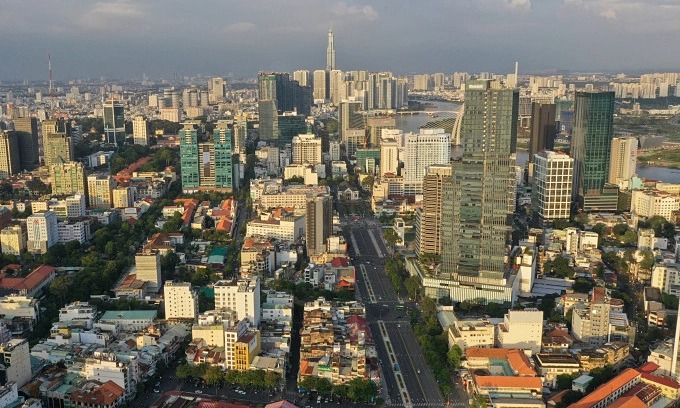
Apartments (Condominiums)
Apartments remain the most popular choice among foreign buyers thanks to clear legal frameworks and high rental demand. Browse available condo for sale in Ho Chi Minh to explore current opportunities in the market.
- Foreign ownership is limited to 30% of the total units in a residential building.
- The maximum ownership period is 50 years, with a possibility of renewal.
Villas and Townhouses
- Foreigners can own up to 10% of the total number of houses in a residential development project.
Serviced apartments & Condotels
- Some commercial projects allow foreigners to invest in serviced apartments, condotels, or officetels.
- Ownership regulations for condotels vary by location and project, and they often come with shorter leasehold durations.
Restrictions on land ownership
Foreigners cannot own land in Vietnam. However, they can lease land under the following conditions:
- Land Lease Period: Maximum 50 years, with a possible extension depending on the investment project.
- No Ownership of Agricultural Land: Foreigners are not allowed to purchase or lease agricultural or forestry land.
Latest updates in real estate market regulations in Vietnam
Recent amendments to the Housing Law in 2025 include:
- Extended Lease Terms: Foreign property leaseholds are now renewable beyond 50 years under specific conditions.
- Easier Ownership Transfers: Streamlined procedures for foreigners selling or transferring property.
- Increased Transparency: New regulations on project transparency to protect foreign investors from fraudulent projects.
- Tax Reforms: Changes in property tax rates for foreign investors to align with regional markets.
These changes reflect the government’s effort to attract more foreign capital while maintaining regulatory control.
How foreigners can buy property in Vietnam?

Choose the right property
- Research locations based on rental demand, price appreciation, and infrastructure development.
- Consider new developments with foreign quotas available.
Verify Ownership Eligibility
- Confirm that the property is approved for foreign ownership (some areas have restrictions).
- Check if the project has exceeded its foreign ownership cap.
Sign the Sales & Purchase Agreement (SPA)
- Pay a deposit (5–10%) to secure the unit.
- Ensure the agreement includes payment terms, maintenance fees, and handover dates.
Register the property ownership
- Submit required documents, including passport, visa, SPA, and payment records.
- Receive a Pink Book (Ownership Certificate) if applicable.
Pay taxes & fees
- Value Added Tax (VAT): 10% of the property price.
- Registration Fee: 0.5% of the property’s value.
- Maintenance Fee: 2% for apartments.
- Income Tax on Property Resale: 2%.
- Rental Income Tax: 10% (if leasing the property).
Challenges & risks for foreign buyers in Vietnam
Legal uncertainty & Ownership rights
- Pink book issuance delays: Some developers fail to secure legal documentation, delaying ownership registration.
- Complex Legal Procedures: Foreigners may struggle with Vietnam’s bureaucratic processes.
Developer fraud & project delays
- Some projects suffer from construction delays, bankruptcy, or legal disputes.
- Always verify developer credibility before purchasing.
Market volatility
- Rapidly changing government policies can affect property prices and foreign ownership conditions.
- Economic downturns may impact rental yields and resale values.
Land ownership restrictions
- Foreigners cannot own land; they can only lease it from the government.
- High-end villa projects on leased land may have uncertain long-term value.
Alternative investment options for foreigners looking to buy property in Vietnam
For foreigners interested in buying property in Vietnam, the process can often be complex due to legal restrictions. However, there are several alternative investment options that allow foreigners to invest in the Vietnamese real estate market without directly owning property. These options can provide a way to gain exposure to the market while managing risks effectively.
Long-term leasing
In Vietnam, foreigners can enter into lease agreements for residential or commercial properties for periods ranging from 10 to 50 years. These leases are typically renewable, allowing for long-term use of the property without the need for direct ownership. Therefore, many investors choose to test the market first by renting before buying. You can check out long-term apartment rental in Ho Chi Minh to better understand pricing, locations, and tenant demand.
Benefits:
- Flexibility in property use for long-term business or personal residence.
- Avoidance of ownership restrictions since the foreign investor is leasing the property rather than owning it.
Considerations:
- The leasehold must be carefully reviewed to ensure it is legally sound and can be renewed as needed.
Setting up a Vietnamese company
For foreigners looking to buy property in Vietnam, establishing a Vietnamese company is another viable option. By setting up a company in Vietnam, foreigners can acquire land-use rights and legally purchase property in the name of the business. This route allows the investor to bypass the limitations on foreign ownership by leveraging the legal rights of a locally established business entity.
Benefits:
- Provides the opportunity to buy property in Vietnam and acquire land-use rights through the company.
- Companies are not subject to the same ownership caps as individuals, allowing for more flexibility in property acquisition.
Considerations:
- Setting up a company involves additional administrative work, such as registration and compliance with local regulations.
- Ongoing costs for maintaining the company, including taxes and business operations.
Investing in serviced apartments
Some developers offer buy-to-let properties where investors can purchase an apartment and earn rental income through guaranteed rental returns. These properties are usually fully managed by the developer or a third-party property management company, making it a passive income investment.
Benefits:
- Potential for steady rental income without the need for active property management.
- Guaranteed rental returns in some cases, which can offer more predictable financial outcomes.
Considerations:
- Investors may face restrictions on the percentage of property ownership in a building (as discussed in legal frameworks).
- The success of such investments can depend on the local demand for rental properties and the quality of the management company.
Real estate investment funds
For those who wish to buy property in Vietnam indirectly and reduce the risks associated with direct ownership, participating in real estate investment funds (REITs) can be an appealing option. These funds pool capital from multiple investors to invest in a portfolio of real estate properties, including residential, commercial, and industrial assets. By investing in such funds, foreign investors can gain exposure to the Vietnamese real estate market without owning property directly.

Benefits:
- Diversification of investments across multiple properties, reducing the risk associated with individual properties.
- Professional management of the real estate assets, including property selection, maintenance, and management.
Considerations:
- REITs may charge management fees and have minimum investment requirements.
- The return on investment can be subject to market conditions and the performance of the real estate assets managed by the fund.
FAQs
Can foreigners legally buy property in Vietnam?
Yes, foreigners can legally buy property in Vietnam, mainly apartments and houses within commercial projects. However, they are not allowed to own land, as land is managed by the state.
What types of properties can foreigners buy in Vietnam?
Foreigners can buy:
Apartments (most common option)
Villas and townhouses (within approved projects)
Condotels or serviced apartments (depending on project regulations)
How long can foreigners own property in Vietnam?
Foreigners can own property for up to 50 years, with the possibility of renewal if they meet legal requirements.
Can foreigners own land in Vietnam?
No, foreigners cannot own land in Vietnam. They can only own the property (such as an apartment) while the land is leased from the state through the developer
Do foreigners need a visa to buy property in Vietnam?
Yes, foreigners must have:
A valid passport
Legal entry into Vietnam (visa or residence permit)
A work permit is not required, but legal entry is mandatory.
Is buying property in Vietnam a good investment for foreigners?
Vietnam offers strong potential thanks to:
Rapid economic growth
High rental demand in major cities
Relatively affordable property prices
However, investors should carefully consider legal restrictions and market risks before buying
Can foreigners rent out their property in Vietnam?
Yes, foreigners can rent out their property and earn income. However, they must pay taxes, including:
Rental income tax (~10%)
Other applicable fees depending on the case
Should foreigners buy or rent property in Vietnam?
It depends on your goals:
Buy: Suitable for long-term investment or staying over 5–10 years
Rent: More flexible and avoids legal complexity
Many expats choose to rent first before deciding to invest.
Conclusion & Expert recommendations
Summary of key takeaways
- Foreigners can buy apartments and houses but cannot own land.
- Ownership is capped at 50 years (renewable).
- Legal procedures have improved in 2025, but challenges remain.
- New policies offer better investment conditions, but risks exist.
Advice for foreign investors
- Work with reputable real estate agencies and legal consultants.
- Verify project legality and ownership eligibility before investing.
- Consider alternative investment structures if direct ownership is too restrictive.
Vietnam’s real estate market remains one of the most attractive in Southeast Asia, offering strong returns and a growing economy. However, careful planning, due diligence, and awareness of the latest regulations are essential for foreign investors looking to enter the market in 2026.
If you’re interested in buying property in Ho Chi Minh or have any questions about the real estate market in Vietnam, particularly in Ho Chi Minh City, feel free to contact Visreal at (+84) 903 004 226. Our team is ready to provide you with comprehensive information about available projects and offer expert guidance tailored to your needs.