Free apartment search for tenants — no agency fees, ever
 info@visreal.vn
 Zalo
 WhatsApp



Finding a long term apartment in Ho Chi Minh is more than just picking a great view; it is about ensuring your legal residency and protecting your financial interests. For professionals moving to Vietnam, navigating local bureaucracy can be the most stressful part of the relocation.
Understanding the documents needed to rent an apartment is the first step toward a secure stay. This 2026 guide provides the comprehensive checklist of required documents for renting to ensure your transition is seamless and scam-free
Preparing your paperwork is just one part of a successful relocation. If you are looking for a complete step-by-step process on finding and securing your dream home, check out Expat guide to renting a long-term apartment in Ho Chi Minh.
Tenant’s Requirements: Essential documents for renting
Valid Passport
Your passport is the most important identification document and the first thing a landlord will ask for.
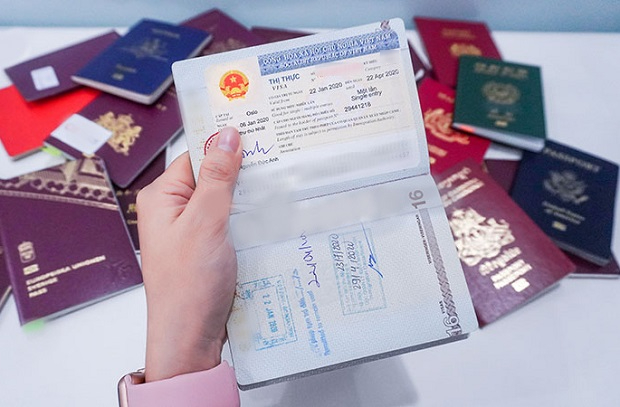
Why it’s needed:
- To verify your identity.
- For registering your rental with local authorities.
- To support your temporary residence registration (police registration).
Make sure:
- Your passport is not expired.
- It includes all relevant visa stamps.
- You provide a clear photocopy or scan to the landlord.
Valid Visa or Temporary Residence Card (TRC)
A valid visa or Temporary Residence Card (TRC) is crucial for long-term stays and lease agreements. This is one of the most important documents for renting in Vietnam.
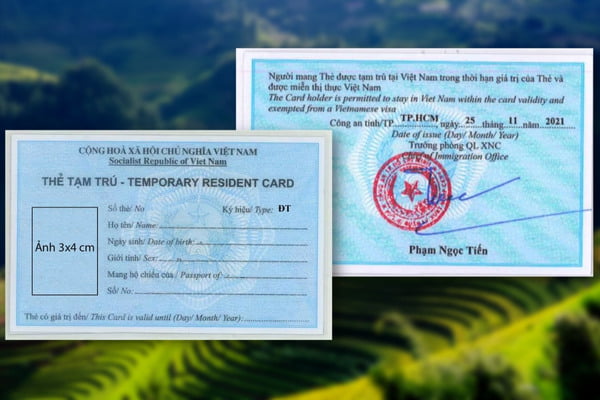
Types of accepted visas:
- Tourist visa: Sometimes accepted for short-term rentals (under 3 months).
- Business visa or TRC: Preferred and often required for leases longer than 6 months.
Benefits of having a TRC:
- Easier residence registration.
- Fewer visa renewal issues.
- Better acceptance by high-end buildings and landlords.
Proof of Employment or Income
Although not always required, many landlords will ask for financial proof to ensure you can pay rent regularly. This is especially important in serviced apartments and luxury residences.
Acceptable forms of proof:
- An employment contract with a company in Vietnam.
- An offer letter showing your position and salary.
- Bank statements, especially if you’re a freelancer or digital nomad.
This document helps build trust with the landlord and may be mandatory in buildings with stricter leasing policies.
Deposit and Rental Payment Receipts
Once you and the landlord agree on the lease, you’ll need to pay a deposit and possibly the first month’s rent in advance.

Typical deposit requirement:
- 1–2 months of rent (2 months is the most common for 1 year contract).
Important tips:
- Always ask for a written receipt after payment.
- Ensure both you and the landlord sign the receipt.
- Keep the receipt safe—it can help resolve disputes later.
These receipts are essential documents for renting and should be stored with your lease paperwork.
Temporary Residence Registration (Police Registration)
Vietnamese law requires all foreigners to register their temporary residence with the local police within 24 hours of moving in.
How it works:
- The landlord is usually responsible for this process.
- You must provide copies of your passport, visa, and lease agreement.
- Registration can be done online or directly at the local police station.
Why it’s important:
- It’s required for visa renewals and TRC applications.
- Failure to register can cause legal issues or fines.
- It proves you are living legally in the apartment.
Even though the landlord handles this, always follow up to confirm it’s been completed.
Landlord’s Paperwork: How to verify a Legal Rental
To avoid rental scams, you must verify that the landlord has the legal right to lease the property. Do not transfer any deposit until you have seen:
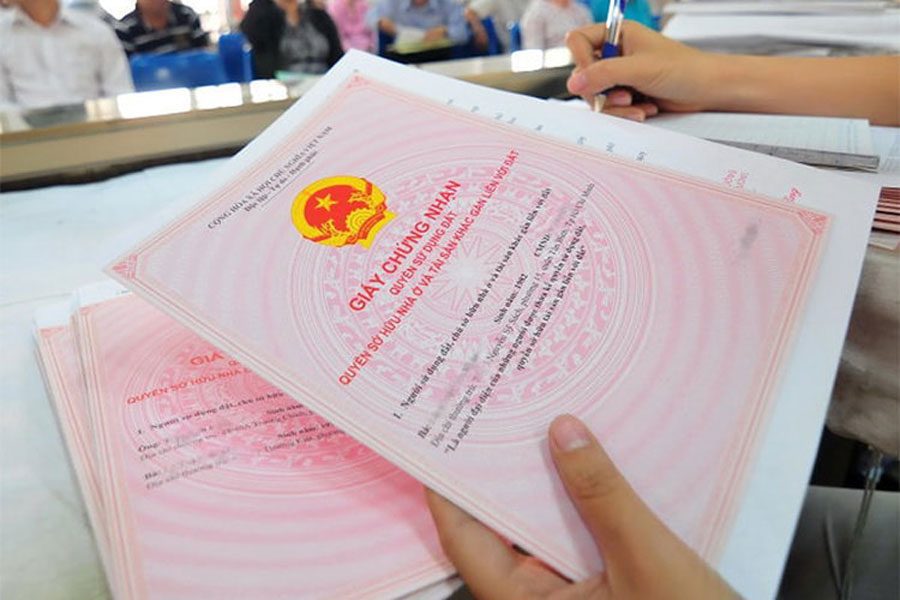
Pink Book
This is the official Certificate of Property Use Rights. Verify that the address on the Pink Book matches your potential home and that the owner’s name is correct.
ID Card of the Owner
Ensure the person signing your lease agreement is the person named in the Pink Book. If you are dealing with a representative, they must provide a notarized Letter of Authorization.
The Lease Agreement: Critical Clauses for Professionals
A professional lease is more than just a list of documents needed to rent apartment; it is your legal shield. At Visreal, we ensure every contract is transparent and protects the interests of both parties through these three vital components:
Lease Agreement
The lease agreement is the most important of all required documents for renting. It must be bilingual (Vietnamese & English) to ensure absolute clarity. A professional contract should clearly define the lease term, the monthly rental price, and the specific conditions for the security deposit. Both parties must sign and initial every page to prevent any unauthorized changes to the terms.

Tax Invoice (Red Invoice) if Needed
For expat professionals whose housing is sponsored or reimbursed by their company, a VAT Invoice (Red Invoice) is essential for corporate accounting. Not all individual landlords are prepared to handle the tax declaration required to issue this. We recommend confirming this requirement early in the search process so that tax obligations are factored into the final rental price and the landlord is prepared to provide monthly invoices.
Detailed Inventory & Handover Minutes
To safeguard your Security Deposit, never move in without a signed Handover Minute. This document acts as a definitive record of the apartment’s condition at the time of entry.
-
Key Actions: List every piece of furniture, electronic appliance (with brand and condition), and the current state of walls and flooring.
-
Pro Tip: Attach high-resolution photos or a video walkthrough to this document as digital evidence. This ensures a smooth and dispute-free refund process when your lease ends.
Common mistakes expats should avoid when renting an apartment
Even if you’ve prepared all the necessary documents needed to rent an apartment, there are still several common mistakes expats make that can lead to serious issues. Understanding these pitfalls will help you stay protected and avoid legal or financial troubles during your stay in Ho Chi Minh City.

Not Verifying If the Landlord Registers Their Stay
Temporary residence registration is a legal requirement for all foreigners living in Vietnam. While the landlord is responsible for registering your stay with the local police, many forget or neglect to do it.
Why it matters:
- Without registration, you may face problems renewing your visa or applying for a Temporary Residence Card (TRC).
- It’s also a violation of local law, which can result in fines or forced relocation.
How to avoid:
- Politely ask your landlord for proof of registration.
- Confirm the submission of required documents such as your passport, visa, and lease agreement.
- If needed, accompany the landlord to the local police station to ensure the process is complete.
Failing to Read the Lease Carefully
Many expats sign lease agreements without understanding the terms and conditions, often because the contract is written in Vietnamese or in vague English.
Potential consequences:
- Hidden fees (e.g., for management services, cleaning, or utilities).
- Strict termination clauses that penalize early move-outs.
- Restrictions on guests or subleasing.
How to avoid:
- Request a bilingual lease (English–Vietnamese).
- Review all clauses carefully before signing.
- Ask for clarification or legal advice if something seems unclear.
Tip: Even with all the required documents for renting, a poorly reviewed lease can still cause major complications.
Paying Deposits Without a Signed Agreement
Some expats are in a hurry to secure an apartment and transfer the deposit before signing anything. This is a major risk.
What can go wrong:
- The landlord changes the rental terms after payment.
- You lose your deposit if the landlord disappears or rents to someone else.
- No legal basis to recover your money.
Best practice:
- Always sign a written lease agreement before transferring any money.
- Ensure the contract clearly outlines the deposit amount, terms of refund, and rental duration.
- Get a signed receipt when paying any deposit or rental fee.
Assuming Verbal Agreements Are Legally Binding
In Vietnam, verbal agreements hold little weight in legal disputes. Relying on spoken promises—like “don’t worry, you can stay as long as you want”—can lead to problems down the line.
Why this is risky:
- If the landlord denies the agreement later, there’s no evidence to support your claim.
- Verbal terms (like utility costs or furniture inclusion) may be conveniently forgotten.
- You may face eviction or additional fees unexpectedly.
What to do:
- Always get important terms in writing.
- Update the lease contract to include any promises made verbally.
- Avoid relying on informal or text message discussions as legal proof.
Pro Tip: Never move in or transfer money without signed documentation
Even if you’ve provided all the documents for renting, your protection only begins when there is written proof of the agreement.
Double check all required documents before signing lease agreement
Before handing over any money or moving in:
- Sign a legally binding lease.
- Receive a stamped or signed receipt.
- Ensure both parties keep copies of the signed agreement and receipts.
Final Tips Before Signing Your Lease
Before finalizing your rental, let’s check all required documents for renting again:
- Confirm you have all needed documents to rent apartment ready.
- Double-check that the landlord agrees to register your stay.
- Request copies of all paperwork and receipts.
- Clarify which fees are included (management fee, utilities, cleaning, parking).
Being thorough at the beginning can save you time, money, and stress later on.
FAQs
Can foregners rent an apartment in Vietnam on a tourist visa?
Yes, but for short-term rentals only. Long-term leases often require a business visa or TRC.
Does the landlord handle the police registration?
In most cases, yes. The landlord will support Temporary Residence Registration for the first time. But always confirm and keep a copy of the registration.
Can I sign a lease agreement while my TRC is still in the application process?
Yes, you can. While a Temporary Residence Card (TRC) is ideal, you can use your Passport and a valid Business Visa or Work Permit to sign the lease. Once your TRC is issued, your landlord or agency will simply update your residency registration with the local police to ensure your stay remains fully compliant.
How do I ensure the landlord is authorized to issue a VAT Invoice for my company?
Not all individual landlords can issue a VAT Invoice (Red Invoice) directly. If your company requires this for reimbursement, the landlord must fulfill tax obligations at the local tax office. At Visreal, we pre-verify this capability for our professional clients to ensure your housing allowance is processed without administrative delays.
What happens if the owner's name on the Pink Book doesn't match the person signing the contract?
In this case, the signer must provide a notarized Letter of Authorization from the legal owner. Without this document, the lease could be legally void, and you might face difficulties with police registration. We always perform a thorough legal check on Pink Book and ID documents before any deposit is made.
Conclusion
Having the right documents needed to rent an apartment is essential for a smooth and legal rental experience in Vietnam. But understanding the process can be tricky for expats, especially for those with the first time in Ho Chi Minh. That’s why Visreal is here to guide you every step of the way.
With local expertise and dedicated support, Visreal makes the rental process easier, faster, and worry-free. Let us help you find your ideal apartment rental in Ho Chi Minh with confidence. Feel free to reach us out at (+84) 903 004 226 if you have any questions or interest in looking for a new home in Ho Chi Minh. We always welcome and support you to find the perfect home.